

Crossing the border from Toronto by car or limo is simple when every passenger carries an accepted document, usually a valid passport or a NEXUS card. The chauffeur picks the crossing (Peace, Rainbow, Lewiston-Queenston, Ambassador, Blue Water and others) from live wait times. NEXUS lanes work only if everyone in the vehicle is a member. Book a border-ready chauffeur with the trip in the notes.
Crossing the border from Toronto by car: how does a limo trip work?
A chauffeured trip into the United States runs exactly like a private car crossing, because that is what it is. The vehicle joins the passenger-car lanes, the chauffeur pulls up to the booth, lowers the windows and hands over every passenger's document. The officer may ask each person where they are going, how long they will stay and what they are carrying. Answer for yourself, briefly and truthfully. Then the car either drives on or is directed to secondary inspection, which is routine and not an accusation.
At TorontoBlackLimousine.com we run these trips with our own sedans, SUVs and Sprinters for Buffalo, Niagara Falls NY, Rochester, Detroit and beyond, and we book them through the same reservation engine as a run to Pearson. The cross-border limo service page covers vehicles and destinations; this guide covers the border itself.
What documents does each passenger need?
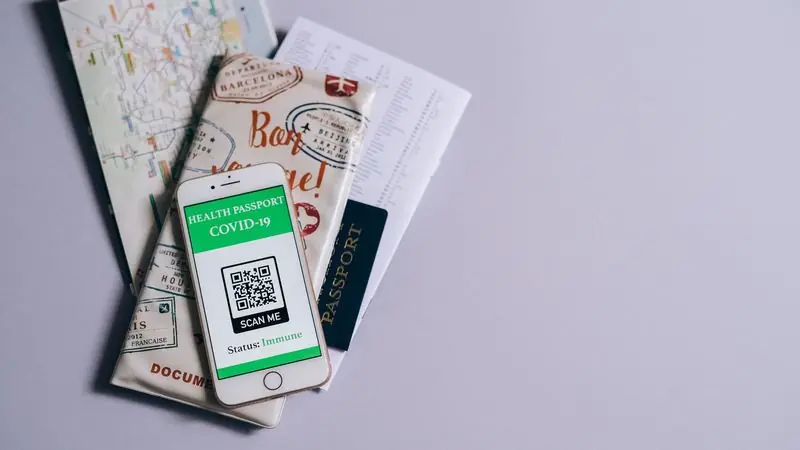
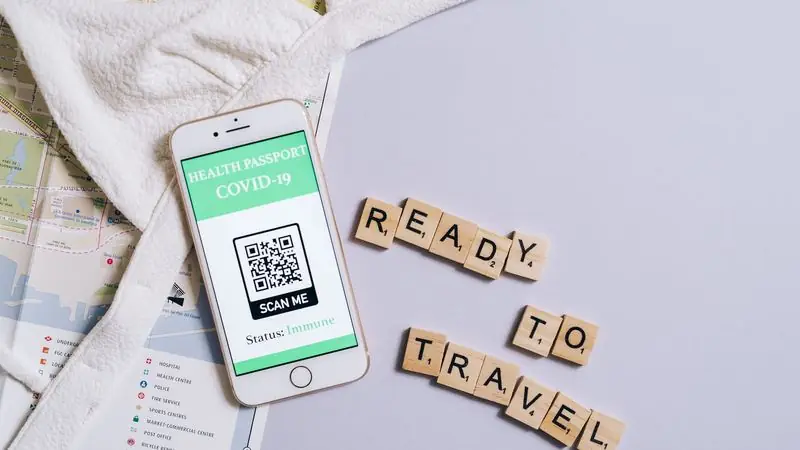
Every passenger, including babies and children, needs their own accepted travel document for entry to the United States and again for re-entry to Canada. For most adults that means a valid passport. Canadian and US citizens may also use a NEXUS card at land crossings, and US citizens can use other documents accepted under the Western Hemisphere Travel Initiative, which U.S. Customs and Border Protection describes in detail.
Visitors who are neither Canadian nor American should check what they need for the United States and for coming back into Canada before the day of travel. Some nationalities need a US visa; others need an online authorization; and a visitor who entered Canada on one document may need another to return. Nothing at the curb can fix a missing visa, so check early on the Canada Border Services Agency and CBP sites.

Does every occupant need NEXUS to use the NEXUS lane?
Yes. Both border agencies apply the same rule: a vehicle may use a dedicated NEXUS lane only when every person inside is an enrolled NEXUS member carrying their card. That includes the chauffeur. If one passenger, or the driver, is not a member, the car uses the regular lanes, and trying the NEXUS lane anyway can cost members their privileges.
NEXUS-holding chauffeurs are available on request for border trips, so when every passenger is enrolled, ask for one at booking and the car can use the NEXUS lane. The CBSA NEXUS page explains how to apply, and CBP lists its trusted traveler programs. The "nexus card" is one of the most searched border terms in Canada for good reason: on a busy Friday it can save a long wait.
Which border crossings can a Toronto chauffeur use?
Nine road crossings matter for trips from the Toronto area. Planning distances are from downtown Toronto (Union Station area) and from Toronto Pearson (YYZ); times are typical driving times to the crossing, before any border wait.
| Crossing | Connects | From downtown Toronto | From Pearson (YYZ) |
|---|---|---|---|
| Peace Bridge | Fort Erie and Buffalo | about 150 km, 100–120 min | about 145 km, 95–120 min |
| Rainbow Bridge | Niagara Falls ON and Niagara Falls NY | about 130 km, 85–110 min | about 125 km, 80–105 min |
| Whirlpool Rapids Bridge (NEXUS only) | Niagara Falls ON and NY | about 130 km, 85–110 min | about 125 km, 80–105 min |
| Lewiston-Queenston Bridge | Queenston and Lewiston NY | about 125 km, 85–105 min | about 120 km, 80–100 min |
| Ambassador Bridge | Windsor and Detroit | about 365 km, 225–260 min | about 350 km, 215–250 min |
| Detroit-Windsor Tunnel | Downtown Windsor and downtown Detroit | about 365 km, 225–260 min | about 350 km, 215–250 min |
| Gordie Howe International Bridge | Windsor and Detroit | about 365 km, 225–260 min | about 350 km, 215–250 min |
| Blue Water Bridge | Sarnia and Port Huron | about 290 km, 180–210 min | about 270 km, 170–200 min |
| Thousand Islands Bridge | Ivy Lea area and Alexandria Bay NY | about 300 km, 3–3.5 h | about 310 km, 3–3.5 h |
The Niagara Falls Bridge Commission runs the Rainbow, Whirlpool Rapids and Lewiston-Queenston bridges and posts live delays; the Peace Bridge posts its own.
Which Niagara crossing is best for Buffalo and Niagara Falls NY?
For downtown Buffalo, the Bills stadium in Orchard Park and Buffalo Niagara airport, the Peace Bridge is the direct line: the QEW runs straight to Fort Erie. The Lewiston-Queenston Bridge connects to the Interstate on the US side and is often the better choice for Niagara Falls NY airport, the outlets and points east, and it handles trucks, so its car lanes can be busy at commercial peaks. The Rainbow Bridge lands you in downtown Niagara Falls NY, beside the state park, and is the obvious pick for a falls day on both sides. The Whirlpool Rapids Bridge is NEXUS-only.
Your chauffeur checks the posted delays on all four before leaving the QEW and decides at the last sensible exit. That flexibility is one of the quiet advantages of a private car over a scheduled coach. See our Toronto to Buffalo airport route and Buffalo Bills game day pages for timings.
What about the Detroit crossings, including the Gordie Howe bridge?
Windsor now has three road links to Detroit. The Ambassador Bridge is the long-established crossing; the Detroit-Windsor Tunnel runs between the two downtowns and is handy for hotels, Ford Field and the riverfront; and the Gordie Howe International Bridge opened to traffic in July 2026, linking Highway 401 by way of the Herb Gray Parkway directly with the Interstate system on the US side.
On a Toronto to Detroit run the chauffeur chooses between them on the day, using posted waits and your exact destination. For Lions games and Detroit Metro airport the new bridge is often the natural choice; for downtown Detroit addresses the tunnel can be quicker. Our Detroit Lions game trip and Detroit to Toronto pages explain the 4 to 5 hour drive and the rest stop.
When do the Blue Water and Thousand Islands bridges make sense?
The Blue Water Bridge at Sarnia and Port Huron is the alternative for Michigan trips when Windsor is backed up, and the natural route for Flint, Lansing or northern Michigan. From Toronto it is roughly the same drive as Windsor for many destinations north of Detroit, with a different set of queues.
The Thousand Islands Bridge suits eastern trips: Syracuse, the Adirondacks, upstate New York and a scenic route toward New England. From Toronto the drive follows the 401 past Kingston. A Toronto to Syracuse or Boston booking may use it rather than Niagara depending on the final address. The Thousand Islands route page covers the Canadian side of that trip.
What must I declare entering the United States?
Declare everything you are bringing in, and when unsure, declare it anyway: officers would rather hear about an item than find it. Food is the usual surprise. Many fruits, vegetables, meats and plant products are restricted at the US border, so a cooler from home or a bag of oranges from the hotel can cause a delay. Gifts, goods for business and anything you are selling should be mentioned.
Large amounts of cash and monetary instruments must be reported when entering the United States. CBP's Know Before You Go section lists prohibited and restricted items, food rules and currency reporting. Firearms, cannabis and many medications have strict rules; never carry cannabis across the border, even though it is legal in Ontario. Prescription medicine should stay in its labelled container.
What must I declare coming back into Canada?
On the way home the CBSA asks you to declare all goods acquired outside Canada, including purchases, gifts, prizes and items being shipped to you. You must also declare currency or monetary instruments worth 10,000 Canadian dollars or more, all food, plant and animal products, and every weapon or firearm. Its declaring goods page sets out personal exemptions, which depend on how long you were away.
Keep receipts together in one envelope; a shopping trip to the outlets or to a Buffalo mall goes faster when the passenger who bought everything can answer clearly. The chauffeur does not answer for passengers and does not carry parcels for anyone outside the booking. Our blog post on the duty-free allowance by car covers the allowances in plain language.
How long does a border crossing take?
There is no fixed answer. Off-peak on a weekday a car can be through in minutes; on long-weekend Fridays, US holiday Sundays, game days and the run-up to Christmas, waits at the Niagara bridges can be long. Commercial traffic peaks also affect Lewiston-Queenston and Ambassador.
We plan with a buffer rather than hope. For an airport departure from Buffalo we recommend leaving downtown Toronto with enough time for the drive, a realistic border wait and the airline's check-in time, which together usually means a much earlier pickup than travellers first expect. For events, aim to cross well before gates open. CBSA posts border wait times for the Canadian side, and the Peace Bridge wait times explainer shows how to read them.
Why book an hourly chauffeur for a day across the border?
A one-way transfer suits an airport run to Buffalo. But a day in the United States usually has several stops: a stadium and a restaurant, a shopping centre and a hotel, a client meeting in Buffalo and another in Rochester. That is exactly where the hourly chauffeur service beats a string of separate bookings. The same car and chauffeur stay with you, wait at each stop and handle the border both ways.
An hourly booking also absorbs uncertainty. If the game goes to overtime or the meeting runs long, you are not stranded on the US side looking for a ride; the chauffeur is outside. Sedans, SUVs and Sprinters carry a 3-hour minimum, with extra time in 30-minute blocks, and a cross-border day typically runs eight to twelve hours.
Which vehicle crosses the border best?
For one or two travellers with carry-ons, a business or first-class sedan is quick to inspect and comfortable on the QEW. Families, ski bags and golf clubs suit the SUV or the premier luxury SUV. Teams of up to seven use the Executive Sprinter; groups of twelve the Sprinter luxury van.
Larger groups in coaches or party buses come from partner operators in our network and need extra planning, because group vehicles can be routed differently at the border and every passenger's documents must be checked before departure. Tell us the passenger count and citizenships at booking so dispatch can plan the crossing properly.
What should passengers do at the booth?
Have documents out before the car reaches the front of the queue, not in a suitcase in the trunk. Remove sunglasses, end phone calls and do not film or photograph the inspection area. Children should be awake enough to be seen. If a passenger is travelling with a child who is not their own, carry a signed consent letter from the absent parent or parents; officers in both countries may ask for one.
Answer the officer's questions yourself and keep it simple: where, why, how long. If you are referred to secondary inspection, follow the directions, take your documents and stay calm. The chauffeur waits with the vehicle and knows the procedure.
Do I need to do anything before re-entering Canada?
Bring the same document you left with and the receipts for what you bought. Returning travellers by land answer the CBSA officer's questions at the booth; the chauffeur hands documents over just as on the way out. Our ArriveCAN explainer covers what the app is used for now.
NEXUS members returning to Canada should remember that membership speeds the line but does not change what must be declared. Anything over the exemption still needs to be reported, and forgetting can cost a membership.
Can the chauffeur stay over for a multi-day US trip?
Yes. For trips to Detroit, Rochester, Syracuse, New York City, Boston or Chicago, the chauffeur can stay over and drive you back days later, or drop you and return empty with another booking arranged for the homeward leg. On long drives the chauffeur plans rest stops and works within safe driving hours; very long legs may need a second chauffeur or an overnight stop.
Through the LimousineWorldwide.Directory network, the same Toronto account also books chauffeured cars in more than 70 countries and 500 cities, so a local car can meet you in a US city if you would rather fly one way. Our travel desk arranges flights and hotels to fit around the drive.
How do I book a cross-border limo with TorontoBlackLimousine.com?
Use the reservation engine: enter the pickup address, the US destination, the date and time and the vehicle class, and choose hourly if you want the car to stay with you. Put the passenger count, citizenships and any NEXUS members in the notes. The fixed, all-in fare appears before you confirm, with HST shown separately.
Cancellation is free more than 72 hours before pickup, 10 % at 72 hours or less, 50 % at 48 hours or less, and 100 % at 24 hours or less or for a no-show. For more context, read our other guides on hourly versus point-to-point service and the first-time visitor's guide to Toronto, or see all Toronto guides.