Yes, you can cross the border in a limo. A chauffeured sedan, SUV or Sprinter from Toronto uses the ordinary passenger lanes at the Niagara or Detroit crossings, and the officer inspects it like any private car. Each passenger shows their own passport or accepted document and answers for themselves; the chauffeur handles the vehicle. Expect 85 to 120 minutes of driving to the Niagara bridges, plus the wait.
People ask this question because a limousine feels like it ought to be treated differently. It is not. Our guide to crossing the border by limo covers the rules: documents, NEXUS, the nine crossings and what to declare. This post is the companion to it. It follows a real kind of day from the Toronto curb to a US destination and home again, and answers the follow-up questions passengers ask on the way.
Can you cross the border in a limo without special permits for passengers?
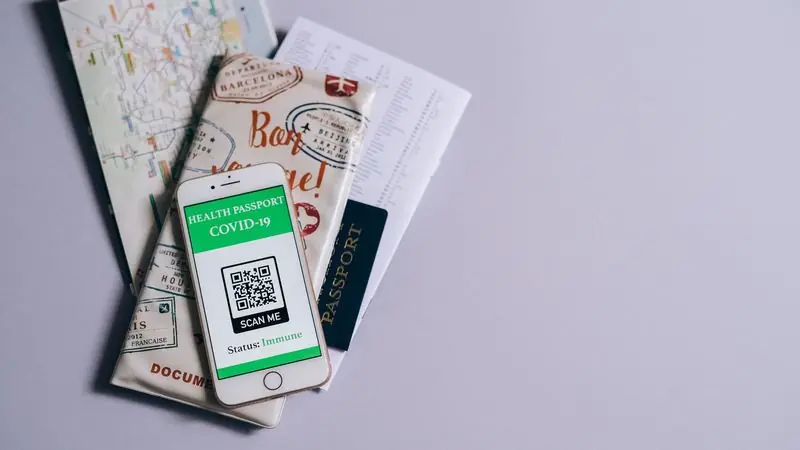
Passengers need nothing beyond what they would need in their own car: an accepted travel document each, and anything their nationality requires for the United States and for coming back to Canada. There is no "limo pass", no group form to fill in at the bridge and no separate passenger lane for chauffeured cars. The vehicle and the chauffeur have their own paperwork, which is our job, not yours.
What changes is who does what. In your own car you drive, queue, talk to the officer and find parking on the far side. In ours, you hand your passport forward when asked, answer a few questions and look out of the window.
What happens in the hour before the booth?
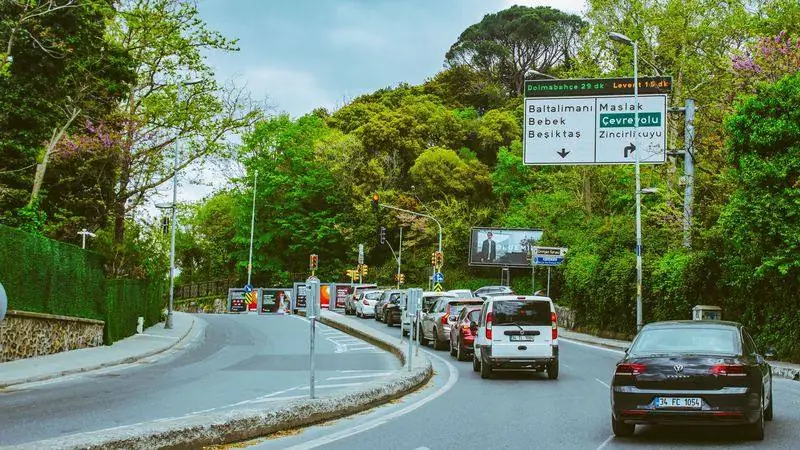
On a Toronto to Buffalo day the car leaves the city on the Gardiner and the QEW. About 30 minutes before the crossing, usually near the Burlington Skyway or the Welland Canal, the chauffeur checks the posted delays for the Peace Bridge, the Rainbow Bridge and the Lewiston-Queenston Bridge, and picks one. The Peace Bridge and the Niagara Falls Bridge Commission both publish live waits, and CBP posts the US side on its border wait times page.
About 10 minutes out, the chauffeur asks everyone to have their documents in hand. This is the moment to dig the passport out of a jacket, not at the booth. Phones go away, sunglasses come off, and sleeping children are woken gently.
What does the officer actually do at the booth?
The chauffeur pulls up, lowers the windows on the officer's side, and passes the documents through, usually collected in one bundle. The officer scans them and looks into the car to match faces to photos. Then come the questions, normally a handful:
- Where are you going, and why?
- How long will you be in the United States?
- Where do you live?
- Are you bringing anything with you: food, alcohol, gifts, goods for business?
The officer may direct a question to any passenger. Answer it yourself, briefly and accurately. Do not let a friend answer for you, and do not joke about what is in the trunk. Most cars are waved through in one to three minutes.
Does the chauffeur answer questions for the passengers?
No, and a good chauffeur will not try. The chauffeur answers for the vehicle: who owns it, where it is going, and what is in it. Passengers answer for their own trip, their goods and their documents. If the officer asks the chauffeur where the group is staying, he can give the address from the booking, but your reasons for travel are yours to state.
That split protects you. Officers want to hear directly from travellers, and a passenger who stays silent while the driver explains everything invites more questions, not fewer.
Will they search the car?
Sometimes, and it is routine. An officer may ask the chauffeur to open the trunk at the booth, or send the car to secondary inspection, where it parks in a bay and passengers usually wait in a building while the vehicle is checked. It is not an accusation, and random referrals happen to perfectly ordinary trips. Take your documents and phone, follow directions and stay polite.
Secondary can add 20 minutes to an hour. That is one reason we never plan a cross-border event day with zero margin.

What are the common myths about limos at the border?
A few beliefs come up on almost every first trip:
- "Tinted windows will be a problem." The officer may ask for rear windows to be lowered; that is all.
- "The chauffeur can vouch for us." He cannot replace your documents or your answers.
- "A limo gets waved through faster." It joins the same queue as every family car.
- "Only the person paying needs a passport." Every passenger, including babies, needs their own document.
- "NEXUS members speed up the car." Only if every occupant, the chauffeur included, is a member; a NEXUS-holding chauffeur is available on request.
- "The duty-free bags are fine because we bought them at the bridge." They still count when you come back to Canada.
Does the type of vehicle make a difference?
Sedans, SUVs and Sprinters from our own fleet cross as private passenger vehicles and use the regular car lanes. Larger group vehicles, such as stretch limousines, party buses and coaches, come from partner operators in the LimousineWorldwide.Directory network, and large buses can be processed differently at some crossings. For any group of more than seven, tell us everyone's citizenship at booking, and the dispatcher plans the crossing and the vehicle together.
The practical rule for comfort: an Executive Sprinter carries seven with bags and is easy to inspect; an SUV suits a family of up to six. See the fleet for every class.
How does a real cross-border day run, hour by hour?
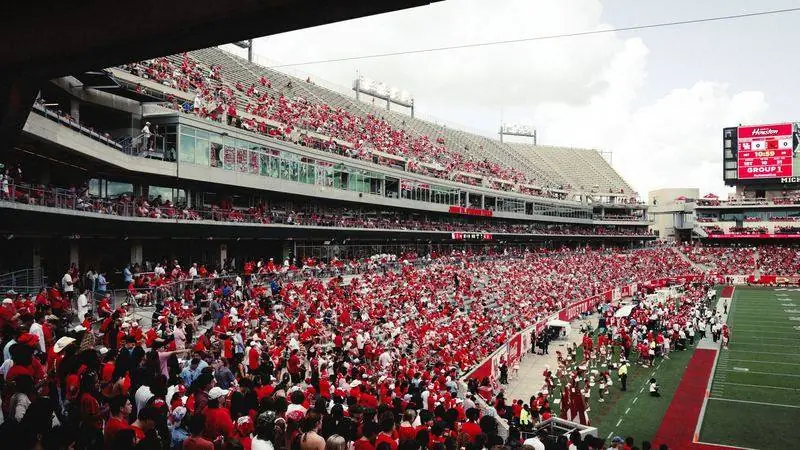
Here is a typical Sunday for four friends from midtown Toronto going to a Buffalo Bills home game, with the car on an hourly booking:
- 8:00 a.m. Pickup in midtown. Documents checked at the door, not at the bridge.
- 8:45 a.m. On the QEW past Oakville and Burlington.
- 9:40 a.m. Chauffeur checks waits and picks the Peace Bridge.
- 10:15 a.m. At the US booth; through in a few minutes.
- 10:45 a.m. Arrival near the stadium for the pre-game.
- 4:30 p.m. After the final whistle, the car waits at an agreed spot away from the main exits.
- 6:00 p.m. Back at the Peace Bridge; Sunday evening queues heading into Canada are often the longest of the day.
- 8:30 to 9:30 p.m. Home in midtown, depending on the wait.
Our Buffalo Bills game day page and the Bills tickets and game day post cover parking areas and the timing of the new stadium.
Why is an hourly chauffeur the right booking for a US day?
Because the day has an uncertain end. Two one-way transfers would leave you finding a new car on the US side after a game, a meeting or a dinner that runs long. With our hourly chauffeur service, the same car and chauffeur stay with you from a 3-hour minimum, with extra time in 30-minute blocks. A Toronto to Buffalo or Niagara Falls NY day usually runs eight to twelve hours, door to door. For a simple airport drop at Buffalo, a one-way booking is enough; see Toronto to Buffalo airport.
How does crossing in a limo compare with other ways to get to the US?
| How you cross | Border experience | Door to door | Best for |
|---|---|---|---|
| Your own car | You drive, queue and talk to the officer | Yes, but you park on the far side | Confident drivers, flexible days |
| Chauffeured car (one-way or hourly) | Chauffeur drives and queues; you answer your own questions | Yes, to the exact address | Game days, meetings, families, airport runs |
| Coach tour or intercity bus | Everyone may leave the bus for inspection | Fixed stops only | Budget day trips on a set schedule |
| Train from Toronto | Inspection organised by the rail operator | Station to station | Long trips where the schedule fits |
| Flying from Pearson | US preclearance at Pearson before boarding | Airport to airport | Destinations beyond a day's drive |
What happens on the way back into Canada?
The return is the mirror image. The car queues for the Canadian booth, the chauffeur passes the documents, and a CBSA officer asks where you live, how long you were away and what you are bringing back. This is where shopping matters: declare everything acquired in the US, and keep the receipts in one envelope. The CBSA sets the rules on returning, and our duty-free allowance by car post explains the exemptions in plain language. You do not need an app to come back by road; our ArriveCAN explainer covers why.
What if one passenger is refused entry?
It is rare but it happens, usually because of a missing visa, an expired document or an old criminal record. The officer decides and tells the group how the refused person must return to Canada. In practice, the group then chooses whether everyone turns back or the car takes that person home and returns, and the dispatcher can rearrange the day. The best protection is checking documents for every passenger well before the trip; our documents checklist by passenger type is the place to start.
Can we stop at the duty-free shop or carry alcohol?
Duty-free shops sit on the approaches to the main bridges, and the chauffeur can stop if you ask. Two cautions. Goods bought there still count toward your allowance when you re-enter Canada, and every purchase in the car must be declared at the next booth. Alcohol is not allowed in our vehicles: no drinking on board, on any trip, so sealed, unopened purchases are welcome in the trunk. Pets need prior approval from us, requested at booking and confirmed in writing, and on a cross-border trip they also need their own paperwork for each country.

What should go in the booking notes?
The dispatcher plans a crossing much better with a few facts up front:
- The number of passengers and each person's citizenship.
- Whether anyone holds NEXUS, and whether all of them do.
- Any children travelling without both parents, so you remember a consent letter.
- The destination address and any must-arrive time, such as kick-off or a flight.
- Shopping plans, so the trunk space and the return timing fit.
How do I book a limo across the border with TorontoBlackLimousine.com?
Use the reservation engine: pickup address, US destination, date, time and vehicle class, and choose hourly if the car should stay with you. The fixed, all-in fare appears before you confirm, with HST shown separately, and the bridge or tunnel tolls and 407 ETR tolls on the planned route are included; our fares page explains what moves it. For multi-day trips, flights home or hotels on the US side, our travel desk can put the whole trip together.
Cancelling more than 72 hours before pickup is free; 72 hours or less is 10 %, 48 hours or less is 50 %, and 24 hours or less or a no-show is 100 %. The cross-border limo service page lists destinations, and border wait times from Toronto to Buffalo helps you pick a departure time.