No, you do not need ArriveCAN to enter Canada by car. Since October 2022 the app has been optional, and its main remaining feature, the Advance CBSA Declaration, works only for air arrivals at participating airports such as Toronto Pearson. At the Peace, Rainbow, Lewiston-Queenston and Detroit crossings, you show each passenger's travel document and declare your goods to the CBSA officer at the booth.
ArriveCAN is still one of the most searched border words in Canada, mostly by people who remember it from the pandemic and want to know if it is still required. Our crossing the border by limo guide explains the whole cross-border trip. This post answers the ArriveCAN question properly, for drivers, for passengers in a chauffeured car and for travellers flying into Pearson.
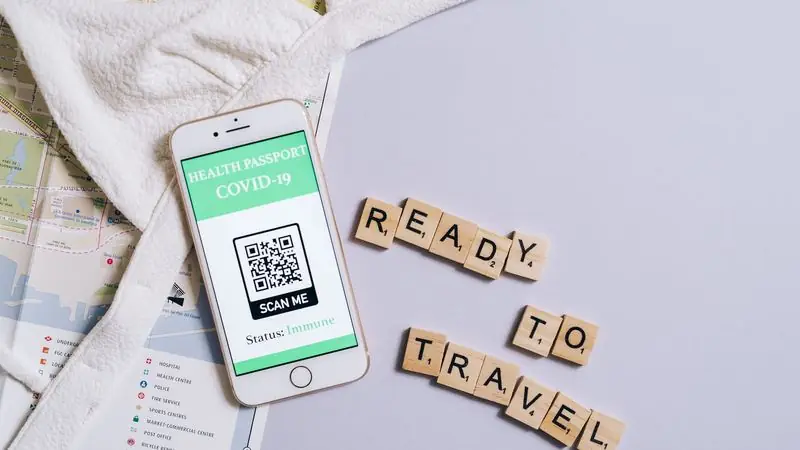
ArriveCAN: is it still mandatory to enter Canada?
No. ArriveCAN was made mandatory during the COVID-19 pandemic for submitting health and travel information. Those requirements ended on 1 October 2022, and since then the app has been voluntary for everyone, whatever the mode of travel. The Canada Border Services Agency is the authority on what returning travellers must do, and nothing in its current rules requires the app for a road crossing.
If a website, an email or a social media post tells you that you must "complete ArriveCAN" before driving home from Buffalo, treat it with suspicion.
What does ArriveCAN actually do in 2026?
Its job today is narrow. The app and website let air travellers fill in the Advance CBSA Declaration, which is the customs and immigration declaration, up to 72 hours before landing in Canada. The CBSA describes it on its Advance Declaration page and says plainly that it is optional. The feature is available at certain Canadian international airports; CBSA records show Toronto Pearson joined in December 2021. When you land, the kiosk or eGate in the customs hall picks up the declaration you already sent, which can shorten the stop.
The submitted information is deleted after 72 hours if you do not use it, and the CBSA sends a confirmation email when you submit.
Does ArriveCAN do anything at the land border?
No. The Advance Declaration is built for air arrivals only. At the Niagara bridges, the Detroit crossings and the Blue Water Bridge, the declaration is still made in person: the officer at the booth asks the questions and you answer them. There is nothing to upload beforehand and nothing to show on your phone.
That is true whether you are driving yourself, riding in a chauffeured car or travelling in a group vehicle. The chauffeur passes the documents to the officer, and each passenger answers for their own goods. Our post can you cross the border in a limo? describes that exchange step by step.
What do you need instead when driving back into Canada?
Three things, none of them an app:
- An accepted travel document for every passenger. Usually a passport; NEXUS cards and some other documents work at land crossings for eligible travellers. Our documents checklist by passenger type covers children, permanent residents and visitors.
- Honest answers. Where you live, how long you were away and what you are bringing back.
- A declaration of goods. Everything bought or received abroad, currency or monetary instruments worth 10,000 Canadian dollars or more, food, plants and animal products, and any firearms or weapons. The CBSA's declaring goods page sets out the personal exemptions, which depend on time away.
Keep the receipts together. On a shopping day, the passenger who bought the most should sit where the officer can speak to them easily.

How does arriving at Pearson by air compare with arriving by road?
| How you arrive | Is ArriveCAN required? | Where you declare | What helps |
|---|---|---|---|
| By car at a Niagara or Detroit crossing | No | In person at the CBSA booth | Documents in hand, receipts together |
| By air at Toronto Pearson | No | Kiosk or eGate in the customs hall, then an officer if needed | Optional Advance Declaration up to 72 hours ahead |
| By air at Billy Bishop | No | Kiosk or eGate, then an officer if needed | Check the CBSA list for Advance Declaration |
| By train | No | As directed by CBSA at the inspection point | Documents ready before the stop |
| By private aircraft | No | Under CANPASS or general aviation rules | Report ahead as the rules require |
The CBSA's kiosk and eGate page lists the airports with kiosks, which include Pearson's Terminals 1 and 3 and Billy Bishop.
Is it worth using the Advance Declaration when flying into Pearson?
For many travellers, yes. Filling the declaration in on your phone before the flight means fewer screens at the kiosk, and families can include everyone in one submission. It is most useful on busy evenings when several wide-body flights land together. It does not replace the officer's questions if you are referred, and it changes nothing about the documents you need.
Once you are through, the chauffeur meets you curbside at the terminal's designated pre-arranged pickup area on the arrivals level, as Toronto Pearson explains, and included waiting starts from actual landing: 30 minutes for Canadian domestic and US flights, 60 minutes for other international arrivals. Our Pearson international arrivals pickup plan shows the walk from the customs hall to the curb.
Should you trust sites that charge for ArriveCAN?
No. The official app and the official declaration are free and come from the Government of Canada. Search results and ads sometimes show lookalike websites that offer to "process" a declaration or an "ArriveCAN form" for a fee, or that ask for passport scans you never need to send. Reach ArriveCAN only through the CBSA's own pages or the official app stores, check that the publisher is the Government of Canada, and never pay anyone for it.
Does NEXUS change anything about ArriveCAN?
Not really. NEXUS members coming back by road use the NEXUS lane when everyone in the vehicle is a member, show their cards and make their declaration at the booth, just as other travellers do. At Pearson, members have their own processing options in the customs hall. The CBSA NEXUS page explains the programme, and our post on NEXUS at Pearson shows how it can shorten the time to the curb.
What does a chauffeured trip home from Buffalo look like without ArriveCAN?
Here is a typical Saturday return for a couple coming back from Buffalo Niagara International after a flight from Florida:
- 6:40 p.m. The flight lands at Buffalo; the chauffeur, tracking it, is waiting at the arranged pickup point.
- 7:20 p.m. On the road toward the Peace Bridge, about 30 km away.
- 7:50 p.m. In the queue. The couple takes out passports and the receipt for a gift bought at the duty-free shop.
- 8:05 p.m. At the CBSA booth: two passports, three questions, one declaration, waved through.
- 9:45 p.m. Home in Oakville, without having opened an app.
See Buffalo airport to Toronto and our post on Buffalo airport parking vs a cross-border car for the rest of that trip.
What mistakes do returning drivers still make?
- Downloading ArriveCAN and assuming it covers the land declaration. It does not.
- Forgetting that duty-free purchases count toward the allowance.
- Packing passports in the trunk.
- Bringing back fresh fruit, meat or plants without declaring them.
- Answering for a partner or friend instead of letting each person speak.
What should US visitors coming to Toronto by car know?
American visitors driving or riding into Canada do not need ArriveCAN either. They need a document Canada accepts, such as a US passport, and must be admissible: a past criminal conviction, including an impaired-driving offence, can bar entry. Visitors who are neither Canadian nor American should check the IRCC rules; the electronic travel authorization applies to air travel, not road crossings. For trips from New York, Detroit or Rochester into Toronto, see our pages on Detroit to Toronto and Buffalo to Toronto.

Does a flight from the US into Pearson use the Advance Declaration?
Yes, if you choose to. A flight from New York, Chicago or Florida into Toronto Pearson is an international arrival, so passengers clear Canadian customs in the terminal, and the optional Advance CBSA Declaration can be filled in up to 72 hours before landing. This is the one situation in a typical Toronto traveller's year where ArriveCAN is genuinely handy: a family of four can submit one declaration on the plane's Wi-Fi or before leaving the hotel, then use the kiosk or eGate on arrival. Remember that US-bound flights from Pearson work the other way round: US preclearance happens at Pearson before you board, and ArriveCAN plays no part in it.
What if the US trip lasts several days?
The border steps do not change; the logistics do. For a long weekend in New York, a week in Chicago or a run of meetings in Detroit and Cleveland, the chauffeur can stay over and drive you home days later, arranged at booking, and a second chauffeur can be added on very long driving days so that nobody exceeds safe hours at the wheel. If everyone in the party holds NEXUS, a NEXUS-holding chauffeur is available on request, which lets the car use the NEXUS lanes on both crossings. None of this needs an app: on the way home, the declaration is made at the booth as on a day trip. Our New York to Toronto drive planner shows how a multi-day trip is paced.
Why book a chauffeur for a cross-border day at all?
Because the border is the part of the day you cannot control. A chauffeur checks live waits, picks the crossing, and keeps the car with you on an hourly booking if the plan runs long on the US side. Our hourly chauffeur service runs from a 3-hour minimum with extra time in 30-minute blocks; a US day usually runs eight to twelve hours. For trips that include flights or hotels, our travel desk can plan the rest of the itinerary around the drive.
How do I book, and what does it cost?
This site shows no prices. The reservation engine displays the fixed, all-in fare before you confirm, with HST shown separately; the bridge or tunnel tolls and 407 ETR tolls on the planned route are included. Our fares page explains what changes it: vehicle class, distance and time, waiting, stops and the date. Book in the reservation engine with each passenger's citizenship in the notes. Cancelling more than 72 hours before pickup is free; 72 hours or less is 10 %, 48 hours or less is 50 %, and 24 hours or less or a no-show is 100 %. The cross-border limo service page lists our US destinations.