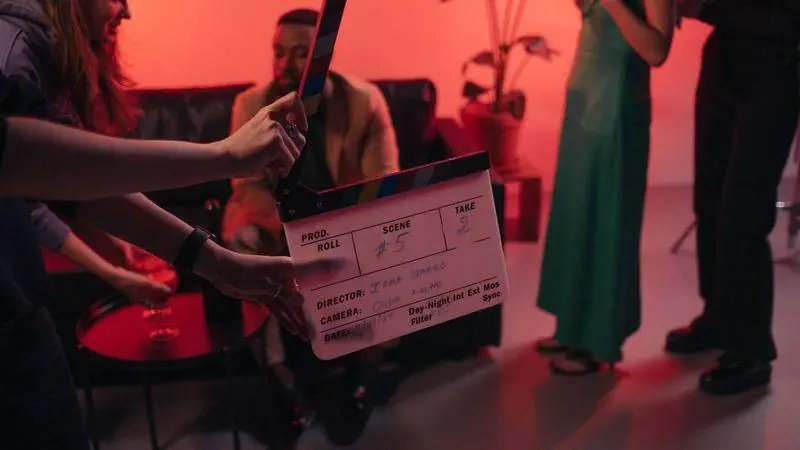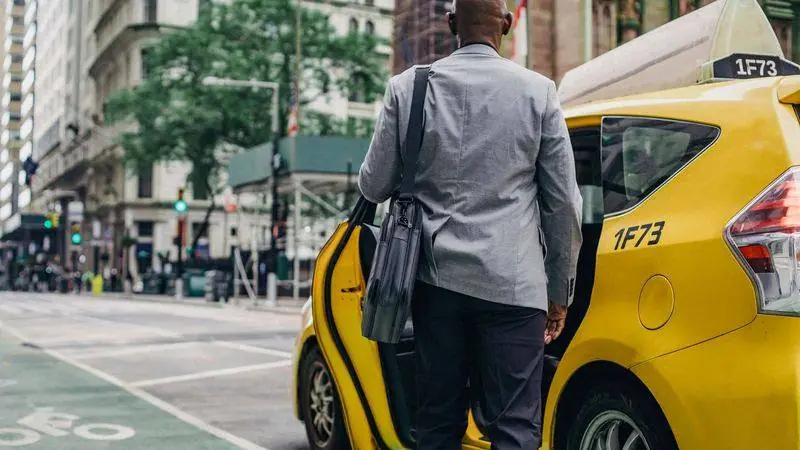


A TIFF 2026 car service is a chauffeured car, usually kept by the hour, for the Toronto International Film Festival, which ran from 10 to 20 September 2026 around King Street West. The core is about 1 km from Union Station and 27 km, 25–45 minutes, from Pearson (YYZ). Book hourly, drop on side streets during Festival Street, and see the fixed fare first at /book/.
The 51st Toronto International Film Festival has closed, and festival week is the best teacher we have for planning the next one. This post is a debrief from the dispatch desk: what changed in 2026, how drop-offs worked while King Street was a pedestrian zone, the day patterns of delegates, publicists and public ticket holders, and what to book early for September 2027. For the year-round service, vehicles and red-carpet rules, start with our TIFF limo and chauffeur service page.
What made TIFF 2026 car service different from earlier years?
Two things shaped TIFF 2026 car service more than anything else. First, the festival reported the launch of TIFF: The Market, an industry market held during the first week, 10 to 16 September, at the Metro Toronto Convention Centre. That added a second hub about 1 km south of the King Street screenings, so delegates moved between the convention centre, hotel suites and cinemas many times a day. Second, Festival Street again closed King Street West to cars for the opening days; local coverage reported the closure from Peter Street to University Avenue between 10 and 13 September. Distances stayed short, but every leg needed a side-street plan. The festival's own website did not open for our link checker, so search "TIFF" for official schedules and confirm any date there.
How did Festival Street change drop-offs and pickups?
While King was closed, no car could set down on it. Our chauffeurs used the north–south streets, such as John, Peter, Simcoe and Duncan, and the parallel streets: Adelaide and Richmond to the north, Wellington and Front to the south. The pattern that worked: the passenger names the venue, dispatch picks the nearest open corner, and the chauffeur texts it with the plate ten minutes before arrival. Walks were one to three minutes. After the pedestrian days ended, premiere nights still brought police-controlled traffic around the major venues, so the same habit applied all week. The City of Toronto publishes festival closures each year; dispatch also checks Ontario 511 for the Gardiner and the DVP.
How far is the festival core from hotels, the Market and the airports?
| From | To the King Street West core | Typical festival-week drive |
|---|---|---|
| Metro Toronto Convention Centre (the Market) | about 1 km | 5–15 min |
| Financial District hotels | about 1 km | 5–15 min |
| Yorkville hotels | about 4 km | 15–30 min |
| Waterfront hotels | about 2 km | 10–20 min |
| Billy Bishop (YTZ) | 3–5 km | 10–20 min |
| Toronto Pearson (YYZ) | about 27 km | 25–45 min, more at rush hour |
| Pearson airport hotels | about 25 km | 25–40 min |
| Oakville or Markham | 35–38 km | 40–60 min |
Planning figures only; on opening weekend we add a buffer to every pickup, and the reservation engine quotes the exact fixed fare for your route and vehicle.
What did a delegate's day look like with the Market at the MTCC?
A sales agent staying in Yorkville, from our dispatch notes on the first Thursday:
- 8:15 am pickup at the hotel; 4 km to the convention centre, about 20 minutes.
- 8:45 am to 12:30 pm Market meetings; the chauffeur waits in the area.
- 12:40 pm lunch meeting on Wellington Street, a five-minute hop.
- 2:15 pm press and industry screening near King and John; side-street drop.
- 5:00 pm back to the hotel to change.
- 6:45 pm premiere, then a dinner and two receptions.
- 12:50 am last drop at the hotel.
Ten legs, one car, one chauffeur. That is why the hourly chauffeur service is the default for festival work: a 3-hour minimum for sedans, SUVs and Sprinters, extra time in 30-minute blocks, and new stops taken as invitations arrive.
How did publicists and production teams use cars?
Teams moving talent book differently from delegates. A publicist typically holds two or three cars for a film's first 48 hours: a first-class sedan or SUV for each lead, and an executive Sprinter for the producers and guests. Dispatch works from the updated schedule, often revised overnight, and reassigns cars when a junket runs long. Red-carpet arrivals follow the time slot and approach street the production gives us; we never promise carpet access we cannot deliver. Our film and TV production page explains how passenger lists, confidentiality and invoicing work on one account.
Did public ticket holders need a car at all?
Many did not, and we say so. A local with a single evening ticket, living near the subway, can ride the TTC to St. Andrew station and walk two minutes. A car earned its place for visitors from the 905 or further, for couples doing dinner and a late screening, for groups of four or more, and for anyone heading home after midnight, when King Street pickups were slow and app fares climbed. Visitors from Pearson Terminal 1 travelling light can also take the UP Express to Union Station, about 28 minutes, and walk.
Which mistakes cost people the most time in festival week?
- Asking for a King Street drop during Festival Street. The car cannot get there; name the venue and let dispatch pick the corner.
- Back-to-back screenings at venues 2 km apart. Allow 25 minutes between them, not ten.
- Meeting the car outside a premiere. Security zones and crowds make that the slowest curb in the city.
- Booking one-way rides for a ten-leg day. Every leg becomes a new wait.
- Leaving hotel and car bookings to August. Festival week is among the busiest weeks of the year for chauffeured transport.
- Ignoring other events. A Blue Jays game at Rogers Centre or a concert nearby adds to the same streets.
How did the 2026 calendar overlap with other events?
September is busy downtown regardless of the festival. The Blue Jays' home schedule, concerts at Scotiabank Arena and conferences at the convention centre all shared the same few square kilometres with the screenings. The Market at the MTCC also meant more convention traffic on Front Street and Bremner Boulevard during the first week. Our chauffeurs routed via the Richmond and Adelaide one-way pair and avoided Front Street at peak hours. If you are planning for 2027, check the Blue Jays home games page and the arena calendar as soon as festival dates are published.
Which vehicle worked best for which festival guest?
| Guest | Vehicle | Why it worked |
|---|---|---|
| Solo delegate | Business sedan | small, quick to side streets |
| Executive or filmmaker | First-class sedan | quiet cabin for calls between meetings |
| Talent with stylist | Premier luxury SUV | easy step-out in formal wear |
| Producers and guests | Executive Sprinter | seven together between venues |
| Statement arrival | Rolls-Royce or Maybach, on request | through the LimousineWorldwide.Directory network |
What about guests arriving at Pearson or Billy Bishop?
Book with the flight number. At Pearson the chauffeur meets you at the pre-arranged pickup area on the arrivals curb of Terminal 1 or 3, or inside arrivals with a name board if you add meet and greet at booking. Waiting is counted from actual landing: 30 minutes for Canadian domestic and US flights, 60 minutes for other international arrivals. Billy Bishop is only 3 to 5 km from the festival, and cars collect at the mainland side on Eireann Quay. Our Pearson terminal pickup guide explains where to stand.
Where did festival guests stay, and what should 2027 visitors book?
The Entertainment District hotels put most screenings within walking distance; Yorkville offered a quieter base 4 km north; the Financial District suited Market delegates. Rooms near King Street sold out early. If you plan to attend in 2027, our travel desk can hold flights and rooms through BookingWorldwide.net, and the car is added to the same itinerary.
How do late nights and after-parties work by car?
Receptions ran past 1 am most nights. An hourly chauffeur who has been with you since the evening began simply drives you back, or drops several guests at different addresses in one run. If you only need the end of the night, book a one-way pickup with a wide window and the venue name; the chauffeur waits at an agreed corner and texts when in position. A late drive to Mississauga, Vaughan or Markham on an empty highway usually takes 25 to 45 minutes.
How should you plan cars for TIFF 2027?
At the time of writing the 2027 dates are not published, so treat the following as a checklist, not a calendar:
- When dates are announced, book hotels first, then cars the same week.
- Book first-class sedans and Sprinters early; studios and sponsors reserve them months ahead.
- Plan for a second hub if the Market returns to the convention centre.
- Share your schedule with dispatch as a document, and send updates as they happen.
- Keep one car hourly for the busiest days and book one-way rides for quieter ones.
Is a chauffeur worth it for a single gala screening?
Often, yes, especially at Roy Thomson Hall, which hosts many of the gala screenings. Formal wear, a security line and a crowd leaving at once make the last 500 metres the hardest part of the night. A car that drops you at the nearest open corner and is waiting a block away afterwards removes both problems. Our post on Roy Thomson Hall concert nights covers the hall's set-downs, and Princess of Wales Theatre nights covers the neighbouring King Street stage.
Can one car cover a festival day trip from outside Toronto?
Yes, and for guests from Hamilton, Kitchener-Waterloo or Barrie it is often the only relaxed way to do a festival day. Hamilton is about 68 km from the core, 50 to 75 minutes; Kitchener-Waterloo about 110 km, 75 to 95 minutes. A typical plan is an afternoon pickup, an early dinner on King West, one or two public screenings and the drive home after 11 pm, when the highways are quiet. That is usually eight to nine hours on an hourly booking, one fixed fare seen in advance and nobody watching the last train.
What does the fare include, and how do you book?
We do not publish prices. The reservation engine shows the fixed, all-in fare before you confirm: chauffeur, vehicle, fuel, 407 ETR tolls on the planned route and gratuity, with HST shown separately. It changes with the vehicle, the hours, the route and the date. For multi-car programmes, book the first car online and a coordinator confirms the rest in writing. Cancellation is measured from the scheduled pickup: more than 72 hours, no charge; 72 hours or less, 10 %; 48 hours or less, 50 %; 24 hours or less or a no-show, 100 %.