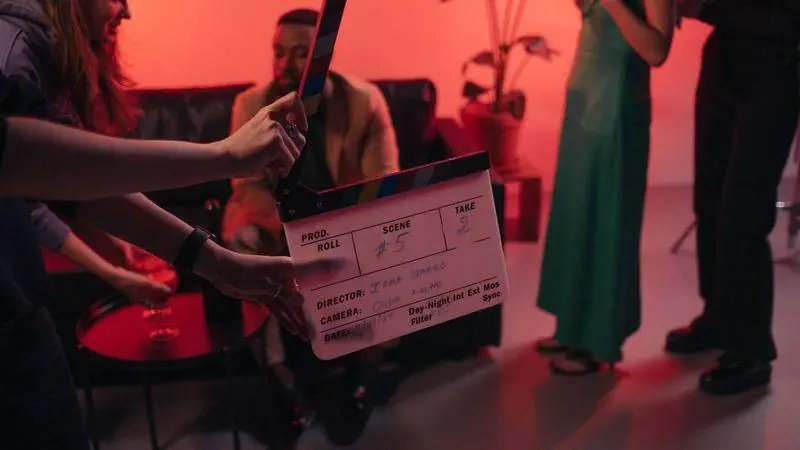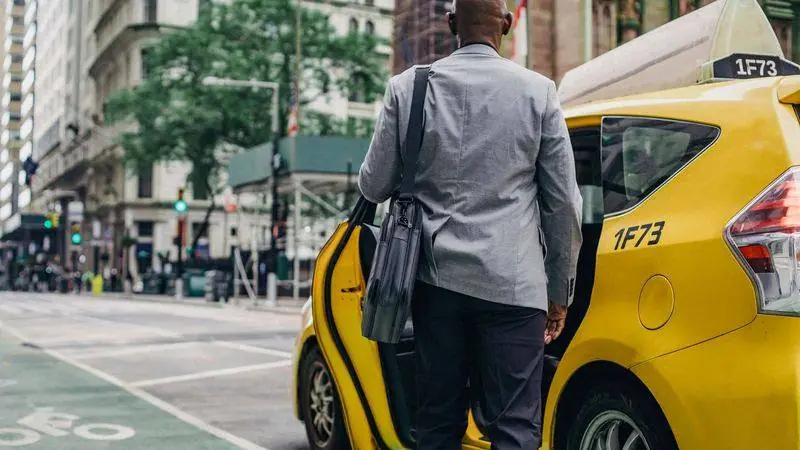


Film production transportation in Toronto from TorontoBlackLimousine.com means chauffeured cast cars, hourly cars for producers and directors, Sprinter crew moves and Pearson pickups for visiting talent. Vehicles are booked by the hour so they stay with the unit through call-time changes and late wraps. Single cars are booked instantly at /book/; multi-vehicle production work is planned and priced in writing by a coordinator.
Need one car on a call sheet tomorrow? Book a production chauffeur on the reservation engine; for a recurring unit, ask for a coordinator and the hourly chauffeur plan that suits it.
What does film production transportation in Toronto cover?
Toronto is one of North America's busiest places to shoot, and film production in Toronto relies on people being in the right place at the right minute. Production transportation in Toronto has two halves. The first is the production's own transportation department: picture cars, equipment trucks, honeywagons and the drivers who move them, usually organised by the production itself. The second is passenger work, and that is where we fit: chauffeured cars for cast, producers, directors and visiting executives, Sprinters for crew moves between a base camp and a location, and airport runs for people flying in. We do not supply picture vehicles, trucks or set equipment, and we do not claim to. What we supply is a clean, unmarked black car, an experienced chauffeur and a dispatch desk that answers at 4 a.m. when the call time moves.
Who books production transportation in Toronto?
The bookings come from production coordinators and assistant production coordinators building the next day's movement plan, travel coordinators handling cast and crew flights, talent agents and managers looking after one actor, studio and network executives visiting set for a few days, and publicists running press days. Commercial and music video productions call us too, because they rarely have a full transportation department and need two or three cars for a single long day. Documentary crews hire a Sprinter with a chauffeur who knows the Greater Toronto Area so the director of photography can sleep between locations. Every one of them wants the same three things: a reliable pickup time, discretion and one number to call when the plan changes.
How does a typical shoot day run for a cast car?
A realistic studio-to-location day, using planning figures:
- 5:10 a.m. Pickup at a Yorkville hotel for a 5:45 call; the drive to a studio in the Port Lands is about 8 km and 15 to 20 minutes before traffic builds.
- 6:00 a.m. to 12:30 p.m. The car holds near base camp while the actor is in hair, make-up and on set.
- 1:15 p.m. Company move to a location in the Distillery District, about 3 km and 10 minutes.
- 4:00 p.m. A second actor is collected from Pearson, about 27 km and 35 to 50 minutes to the Distillery at that hour, then taken to the hotel.
- 8:40 p.m. Wrap is called 70 minutes late; the cast car is already at the trailer.
- 9:05 p.m. Back to Yorkville, 6 km and 15 minutes.
Nothing about that day is a one-way ride. It is sixteen hours of a car that has to be where the actor is.
How far are Toronto's production areas from downtown and Pearson?
Studio stages cluster in a few parts of the city, while locations go everywhere. Typical planning figures:
| Area | From downtown Toronto | From Toronto Pearson (YYZ) |
|---|---|---|
| Port Lands studio area (east waterfront) | about 5 km, 10-20 min | about 32 km, 30-50 min |
| Etobicoke studio and industrial area | 18 km, 20-35 min | about 12 km, 15-25 min |
| Distillery District and Old Town locations | about 2-3 km, 10-15 min | about 29 km, 30-45 min |
| Casa Loma and midtown residential streets | about 6 km, 15-25 min | about 25 km, 25-40 min |
| Mississauga stages and warehouses | 30 km, 30-45 min | about 10 km, 10-20 min |
| Hamilton (downtown and industrial locations) | 68 km, 50-75 min | about 60 km, 45-65 min |
| Niagara-on-the-Lake and Niagara locations | 125-130 km, 85-110 min | about 120 km, 80-105 min |
Studio names and occupants change between productions, so we work from the address on your call sheet rather than a list of stages.
Which vehicle should a production book for cast?
For a lead actor, a premier luxury SUV (Navigator or Escalade class) is the usual choice: six seats, room for wardrobe bags and a stylist, and better in winter. A first-class sedan suits an executive producer or a director who wants to read scripts on the way. The Yukon XL or Suburban SUV is the practical car for supporting cast travelling together. When a performer arrives with an assistant, a trainer and a security lead, the six-seat first-class executive Sprinter keeps the group together with captain's chairs and space to rest. Every vehicle is black and unmarked, with nothing on the outside that says who is inside.
How do crew moves and base camp shuttles work?
Crew moves are about headcount and timing. The twelve-seat Sprinter luxury van carries a camera, lighting or grip team with personal bags, and it can loop between crew parking and a location where parking is impossible, which is common on downtown streets. For larger units, 55-seat coaches come from vetted partner operators in the LimousineWorldwide.Directory network, and the written plan says so. We run crew Sprinters to a manifest: names, pickup point and departure minute, with the second assistant director or the production office as the contact. If a location changes overnight, the coordinator re-routes the Sprinters before the first pickup. See Sprinter group transportation for vehicle details.

Why is hourly the default for production work?
Because nobody knows when wrap will be called. A one-way booking for 7 p.m. becomes useless when the day goes long, and rebooking at 10 p.m. outside a location in the Port Lands is not something a lead actor should have to do. An hourly booking keeps the car and chauffeur with the unit for the whole day, with a 3-hour minimum on sedans, SUVs and Sprinters and extra time in 30-minute blocks. It also absorbs the small jobs: a wardrobe fitting across town, a run to a pharmacy, a quick return to the hotel between scenes. For a performer working several days, many productions book the same chauffeur for each day so the actor sees a familiar face at 5 a.m. Our private chauffeur page explains the as-directed format.
How are company moves between locations handled?
A company move is when the whole unit relocates mid-day. The transportation department moves the trucks; our job is the people. Before the move, the chauffeurs get the new address and the order in which cast are released from the first set. Cast cars leave as each actor is finished, rather than in one convoy, so nobody waits in a car for an hour. Sprinters take crew who are not travelling in department trucks. If the new location has limited holding space, we agree a staging point with the locations team and bring vehicles forward only when needed. Downtown, that often means holding on a side street rather than outside the location itself.
How do night shoots and long days affect the chauffeur?
Long days are normal in production, and fatigue is the real risk on the road. For a shoot running well past twelve hours, or a night shoot followed by an early call, we schedule a second chauffeur to take over rather than ask one person to drive tired. The car can stay the same; the chauffeur changes at an agreed point. We also plan the return trips with care: a 2 a.m. wrap from a location in Hamilton means about 70 minutes on the QEW and the Gardiner before the cast member is back downtown. If the production wants the same chauffeur every day, we build the schedule around rest rather than squeezing it.
How do airport pickups for visiting talent work?
Cast and executives fly in at all hours. The chauffeur tracks the flight and times the pickup to the actual landing. Included waiting is 30 minutes after Canadian domestic and US flights and 60 minutes after other international arrivals, from actual landing. Standard pickup is curbside at Pearson's area for pre-arranged rides, explained on the airport's pre-arranged services page; for a recognisable face, many productions add a meet and greet inside arrivals at booking so the guest is escorted out without searching the curb. Name boards can show a code name or a production reference. Pearson to a downtown hotel is about 27 km and 25 to 45 minutes. See our Pearson airport limo page for terminal logistics.
How is privacy protected for cast and productions?
Discretion is part of the job, not an extra. Our chauffeurs do not photograph sets, cast or scripts, do not post on social media about work, and do not tell anyone who they are driving or where. Call sheets and schedules are shared only with the chauffeur assigned to that car. Airport boards show whatever name the production chooses. If a production requires its own non-disclosure agreement, send it with the booking and the coordinator will review it before the work starts. We do not publish production names or client lists, and we will not confirm to a journalist, fan or third party whether a particular person rides with us.
What about permits, parking and where cars can wait?
Filming on public property in Toronto needs permits from the City, and the City of Toronto's film office explains how productions apply and what neighbours are told. Those permits cover the production's own parking and holding areas, not every car that visits. Our chauffeurs therefore follow the locations team's instructions on where to drop and where to hold, never block a driveway or a fire route, and move on when a residential street is crowded. Where a location has no space, the chauffeur waits a few minutes away and returns on a text. If a production's parking plan includes spaces for cast cars, tell us the details and we will use them.
Can you support TIFF, premieres and press days?
The Toronto International Film Festival usually runs in September and turns the King Street West area into a crowd. Press junkets fill hotel suites in Yorkville and the Entertainment District, and premieres at the large halls need precise arrival times. For those days we keep a car with each talent group by the hour, plan side-street drop-offs when King Street is closed, and stage vehicles close to the exit for after-parties. Check the festival's own site for the year's dates and closures. Our TIFF page covers festival week, and the VIP event transportation page covers red-carpet arrivals.
Do you drive to locations outside Toronto?
Yes. Productions regularly use Hamilton's older streets and industrial sites, about 68 km and 50 to 75 minutes from downtown; Niagara-on-the-Lake and the wine country, about 125 km; rural Caledon, about 55 km; and cottage settings around Muskoka, about 215 km and two and a quarter to three hours. For distant locations, cast often stay nearby and we provide local cars there, or the chauffeur stays over so the actor travels back with someone familiar at the end of the shoot. See Toronto to Hamilton and Toronto to Niagara Falls for the drives.
How do productions book and pay?
Single cars are booked on the reservation engine at /book/, which shows the fixed, all-in fare (chauffeur, vehicle, fuel, 407 ETR tolls if used, airport fees and gratuity, with HST separately) before you confirm. Multi-vehicle and multi-week work is priced in writing by a coordinator, who can include a production's purchase-order or episode references on the paperwork. What changes the fare is the vehicle class, the hours, distance to out-of-town locations, waiting beyond the booking and the date. Productions that book with us often can read about repeat bookings on our corporate page. The province's screen agency, Ontario Creates, is the place to learn about filming incentives; we only handle the driving.
Can the travel desk book cast and crew flights and hotels?
Productions moving people into Toronto need flights and rooms as well as cars. Our travel desk, run with BookingWorldwide.net, can book flights, hotel rooms near the stages or the production office and longer stays for crew on a multi-month shoot, with arrival details flowing straight to dispatch. That saves the travel coordinator from rekeying flight numbers, and it means the chauffeur already knows when a performer's connection was moved. When a cast member flies on to another city after wrap, the LimousineWorldwide.Directory network covers more than 70 countries and 500 cities on the same Toronto account.

What should a production coordinator send us?
- The production's working title or reference, the coordinator's name and an after-hours mobile number.
- Daily call sheets or a movement order with names, pickup addresses and times.
- Flight numbers for incoming cast and executives.
- Base camp and location addresses, plus any parking or holding instructions from the locations team.
- Wardrobe, equipment or mobility notes for particular passengers.
We confirm each day's cars by the evening before and update them whenever the production office changes the schedule.