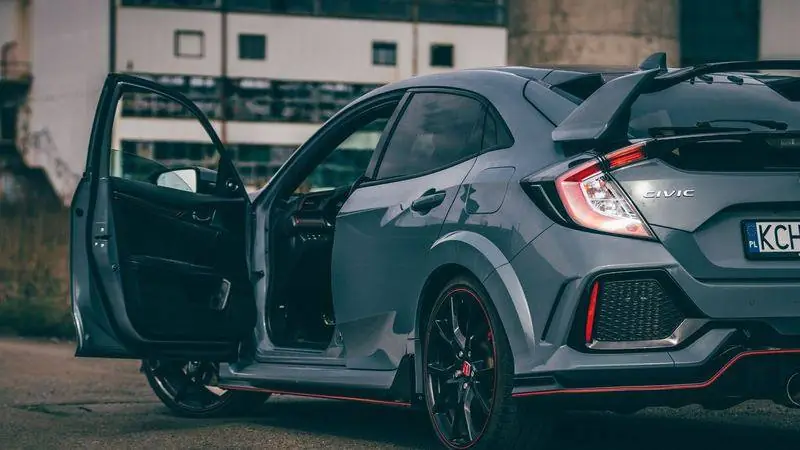


A Toronto VIP chauffeur for a diplomatic or official visit from TorontoBlackLimousine.com is a discreet, unmarked black car with a protocol-aware chauffeur, held by the hour and coordinated with the host's advance team. We plan airport arrivals, convoy order and timings for delegations. We are a chauffeur service, not a security provider. Single cars are booked at /book/; delegations are planned in writing.
Hosting one official guest? Book a VIP chauffeur on the reservation engine and choose the hourly option; our private chauffeur service keeps the same car and chauffeur with the guest all day.
What does a Toronto VIP chauffeur do on a diplomatic visit?
A Toronto VIP chauffeur on an official visit does three things well. First, punctuality: the car is in position before the guest appears, every time, because official programmes run to the minute and a late car delays everyone who follows. Second, protocol: the chauffeur knows where the principal sits, which door to open, when to speak and when not to, and how to behave when a host, an aide and a photographer are all at the curb. Third, discretion: unmarked vehicles, no conversation repeated, no itinerary shared beyond the people who need it. Diplomatic transportation in Toronto is usually a mix of these qualities with careful planning across several vehicles. What it is not, from us, is security or protection; we are explicit about that further down this page.
Who books diplomatic transportation in Toronto?
Toronto hosts many consulates general and trade and investment offices, along with universities, hospitals, cultural institutions and companies that receive official guests. The people who book us include consular staff arranging a visiting minister's programme, protocol officers of foreign missions, trade commissioners planning a business delegation, university and hospital offices welcoming an honorary graduate or a visiting head of an institution, and corporate hosts receiving a government delegation. Event organisers book us when a conference includes ministers or ambassadors among its speakers. Canada's own framework for diplomatic and consular missions is set out by Global Affairs Canada's Office of Protocol; we work within whatever arrangements the host has made with the authorities.
How does a typical delegation day run?
An example programme for a visiting delegation, with planning figures:
- 8:20 a.m. Principal and two aides collected from a Yorkville hotel in a first-class sedan; delegation staff follow in an executive Sprinter.
- 8:45 a.m. Courtesy call near Queen's Park, about 2 km and 10 minutes from Yorkville.
- 10:30 a.m. Business roundtable in the Financial District, about 3 km and 10 to 15 minutes.
- 12:30 p.m. Lunch hosted by a business association downtown, local.
- 2:30 p.m. Site visit to a research campus in Mississauga, about 30 km and 30 to 45 minutes.
- 5:00 p.m. Return downtown for a reception, 40 to 55 minutes in the evening rush.
- 9:30 p.m. Principal to the hotel; staff Sprinter to a second hotel.
The cars never leave the programme; they move with it.
How far are typical official stops from downtown and Pearson?
Planning figures; the reservation engine quotes the exact fixed fare for each car and day.
| Stop | From downtown Toronto | From Toronto Pearson (YYZ) |
|---|---|---|
| Queen's Park and the University Avenue area | about 3 km, 10-15 min | about 27 km, 25-45 min |
| Toronto City Hall and Nathan Phillips Square | local, 5-10 min | about 27 km, 25-45 min |
| Financial District and convention centre | local, 5-15 min | about 27 km, 25-45 min |
| Yorkville hotels | 5 km, 10-20 min | about 25 km, 25-40 min |
| University of Toronto (St. George campus) | about 3 km, 10-15 min | about 26 km, 25-40 min |
| Billy Bishop (YTZ) | 3-5 km, 10-20 min | about 30 km, 30-45 min |
| Niagara Falls | 130 km, 85-110 min | about 120 km, 80-105 min |
| Ottawa | 450 km, 270-300 min | about 440 km, 265-300 min |
What protocol do our chauffeurs follow?
The conventions are simple and consistent. The seat of honour is the rear seat on the passenger side, behind the front passenger, and the chauffeur opens that door first unless the host instructs otherwise. The chauffeur stands by the car on arrival, dressed in a dark suit, and does not start conversations; if the guest wants to talk, the chauffeur answers briefly and politely. Phones stay out of sight, music stays off unless requested, and the cabin temperature is set before pickup. Aides usually sit in the front passenger seat or in a following car. If a mission has its own conventions about seating, forms of address or what may be discussed in the vehicle, tell us at booking and the chauffeur is briefed before the day.

Which vehicles suit an official visit?
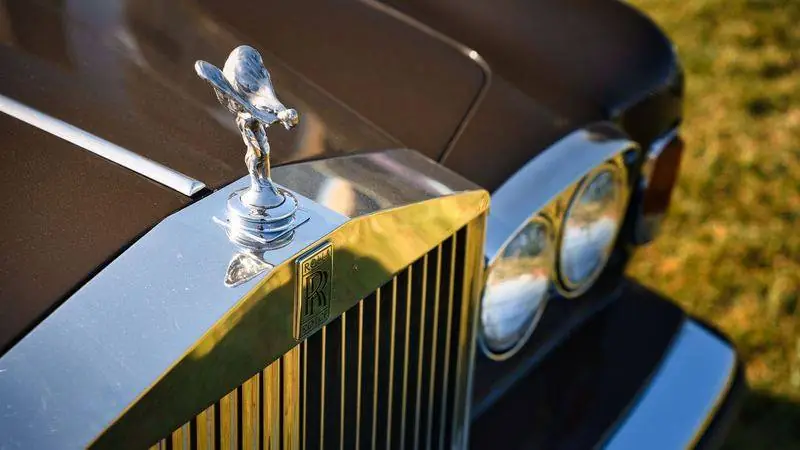
For a principal, the first-class sedan (Mercedes-Benz S-Class or equivalent) is the traditional choice, quiet and understated. The premier luxury SUV, Navigator or Escalade class, gives more headroom and suits winter, steep driveways and a principal travelling with a spouse and an aide. Delegation staff ride in an executive Sprinter with seven lounge seats or the twelve-seat Sprinter van when the group is larger, and luggage can follow in a separate vehicle. An electric Tesla Model Y suits missions that prefer a zero-tailpipe car for a short local programme. Rolls-Royce or Maybach cars are available on request through the LimousineWorldwide.Directory network, but most official visitors prefer the quieter look. All cars are black and carry no flags, insignia or signage.
Why is an hourly booking the default for official guests?
Official programmes change constantly: a meeting is extended, a photo opportunity is added, a minister's call moves the next appointment. One-way rides cannot follow that. An hourly booking keeps the car and chauffeur with the guest for the whole programme, with a 3-hour minimum on sedans, SUVs and Sprinters and extra time in 30-minute blocks. Full-day bookings of ten to twelve hours are normal for delegations. The car becomes a quiet place between engagements: a chance to read a briefing note, make a call or rest before the evening reception. Our hourly chauffeur service page explains how the time is counted.
How does a coordinator manage several vehicles for a delegation?
Any visit with more than two cars gets a coordinator. The coordinator works with the mission's protocol officer or the host's advance person, turns the programme into a vehicle plan, and is the single contact on the day. Each car has a defined role and position in the order of travel: the principal's car, the senior staff car, the delegation Sprinter, a luggage vehicle if needed. Chauffeurs receive the programme in advance, drive the routes beforehand where time allows, and agree holding positions at each stop. If the principal's car is delayed, the coordinator holds the following vehicles so the group stays together. Multi-vehicle programmes are priced in writing before the visit.
What do we not do?
We are honest about this because it matters. TorontoBlackLimousine.com is a chauffeur service. We do not provide armed or close protection, escort or police services, armoured vehicles, or security assessments, and our chauffeurs are not bodyguards. Where a visiting dignitary has an official protection arrangement, that is organised by the responsible government agencies and the mission, not by a car company. Where a client brings private security, our chauffeurs follow the security lead's instructions on timing, routes, doors and seating, and dispatch shares the vehicle details and chauffeur contact with them. If a programme needs services beyond driving, the host should arrange them with the appropriate providers.
How do we work alongside advance teams and protection details?
Good coordination is mostly about information flowing early. When a mission or host has an advance team, our coordinator shares the vehicle plates, models and chauffeur names and mobile numbers ahead of the visit, and takes direction on routes, timings and staging. Chauffeurs follow instructions from the designated lead on the day and do not change a route on their own initiative except for safety. Where an official detail is involved, its directions take precedence over ours in every respect. After the visit, we keep the programme confidential and do not keep copies longer than the paperwork requires.
How do airport arrivals work for official guests?
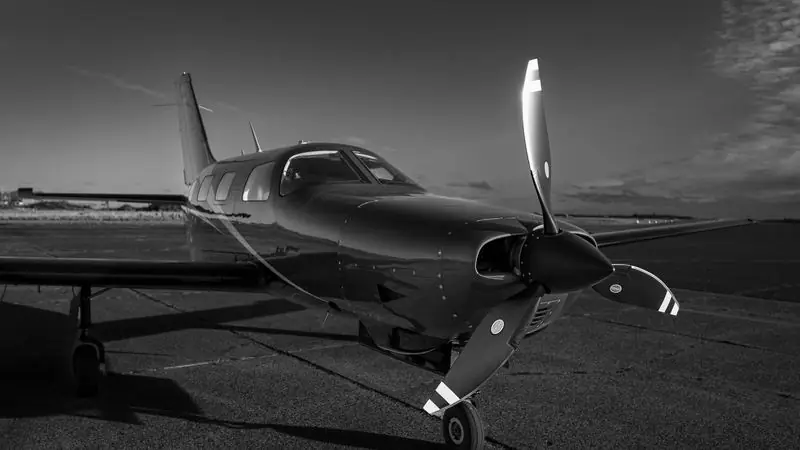
Most official visitors arrive at Toronto Pearson (YYZ), about 27 km and 25 to 45 minutes from downtown. The chauffeur tracks the flight and times the pickup to actual landing; included waiting is 30 minutes after Canadian domestic and US flights and 60 minutes after other international arrivals. Standard pickup is curbside at Pearson's pre-arranged ride area, and a meet and greet inside arrivals is an add-on many missions choose, so a member of our team greets the delegation and walks them to the car. Any special arrival facilitation for diplomats is arranged by the mission with the airport and government authorities; we simply fit around it. Guests arriving by private aircraft are met at the FBO, with plane-side access only where the FBO permits. See Pearson FBO.

How is discretion handled before, during and after a visit?
Itineraries for official guests are often sensitive, so we treat them on a need-to-know basis. Only the coordinator and the assigned chauffeurs see the programme, and the run sheet can use titles or initials rather than names. Chauffeurs do not discuss passengers, conversations or destinations, do not post anything and do not answer questions from bystanders or media. Airport name boards show only what the mission approves. We do not list clients, publish testimonials from official visitors or say which missions or institutions we work with, and we will not confirm a visit to anyone outside the booking.
Can you handle language and cultural preferences?
Tell us at booking. We can brief the chauffeur on forms of address, dietary or religious considerations that affect the day's timing, preferences about music or conversation, and gifts or materials carried in the car. If a visitor would be more comfortable with a chauffeur who speaks a particular language, ask; we will try to match it from our team, but we cannot guarantee a specific language on every date. An aide or interpreter usually travels with the principal anyway, and seating is planned so they can sit within easy reach.
Do you drive delegations to Ottawa, Montreal or Niagara?
Yes. Official programmes often include Ottawa, about 450 km and four and a half to five hours from downtown Toronto on the 401 and Highway 416, with a planned rest stop. Montreal is about 545 km. On multi-day trips, the chauffeur stays over and the car remains with the delegation. Niagara Falls, about 130 km and 85 to 110 minutes, is a common hospitality excursion for visiting guests. Long-distance driving follows rest rules: we plan breaks and, for very long days, a second chauffeur. See Toronto to Ottawa and city-to-city car service.
What about cross-border legs to the United States?
Some programmes continue to Buffalo, Detroit or New York by road. Every passenger needs the travel documents required for their nationality and status, and visa or entry requirements for official travellers are a matter for the mission and the US authorities; check US Customs and Border Protection guidance before you plan the leg, and CBSA for re-entry to Canada. Our chauffeurs drive the border routes regularly, through the Peace Bridge, Rainbow Bridge, Lewiston-Queenston Bridge or the Detroit crossings. Our cross-border limo page covers timing and documents.
Can the travel desk book delegation flights and hotels?
Delegations need rooms and flights as well as cars, and keeping them in one plan avoids mismatched arrival times. Our travel desk with BookingWorldwide.net books flights, hotel rooms and onward travel, and passes the details straight to dispatch. For hotels used by official visitors, see our luxury hotels in Toronto and Yorkville hotels pages. Visitors continuing elsewhere can be met by chauffeured cars in more than 70 countries and 500 cities through the LimousineWorldwide.Directory network.
How is an official visit priced and booked?
A single car is booked on the reservation engine at /book/, which shows the fixed, all-in fare before you confirm: chauffeur, vehicle, fuel, 407 ETR tolls if used, airport fees and gratuity, with HST shown separately. Delegations with several vehicles are planned and priced in writing by a coordinator. What changes the fare: vehicle classes, hours, out-of-town distance, waiting beyond the booking and the dates. We publish no price list because every programme differs; how our fares work explains each element. Cancellations follow the sitewide rule: free beyond 72 hours before pickup, 10 % within 72 hours, 50 % within 48 hours and 100 % within 24 hours or for a no-show.