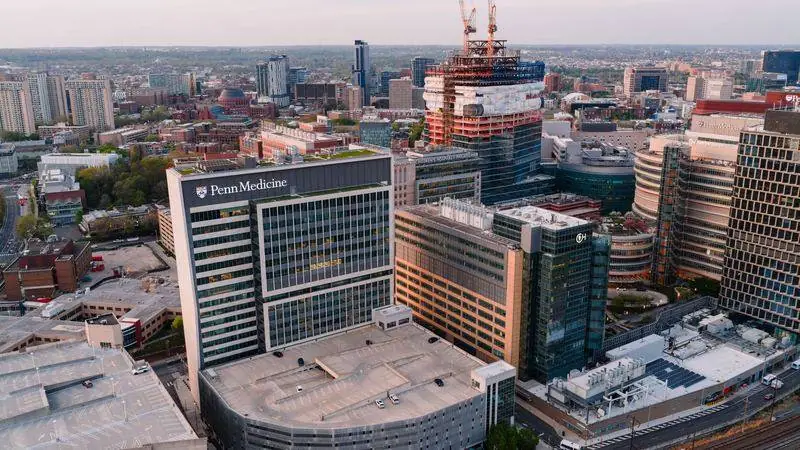


A car service to Princess Margaret hospital takes you to 610 University Avenue, about 2 to 3 km and 5 to 15 minutes from Union Station and about 27 km and 25 to 45 minutes from Pearson. UHN names the Murray Street entrance, behind the hospital, as the best drop-off. TorontoBlackLimousine.com runs standing treatment rides and waits by the hour; see medical appointment transportation.
How does a car service to Princess Margaret hospital work?
You book the pickup, give us the appointment time and the clinic, and the chauffeur drives to the cancer centre on University Avenue. The University Health Network says the Murray Street entrance, at the back of the hospital south of Orde Street, is "the best place to drop someone off", with the University Avenue entrance at 610 as the alternative; both are wheelchair accessible (UHN).
The chauffeur heads for Murray Street unless you ask otherwise, helps you out at the door and, on an hourly booking, waits nearby until you text. On a one-way trip the car leaves after the drop, and the return is a separate booking. Treatment days vary a lot, so most of this guide is about choosing the right plan for each kind of visit.
How far is Princess Margaret from home, hotels and Pearson?
Planning figures; University Avenue and the Gardiner slow sharply at rush hour and on downtown event nights:
| From | Distance | Typical drive |
|---|---|---|
| Union Station and the Financial District | About 2 to 3 km | 5 to 15 min |
| Yorkville and Midtown | About 3 km | 10 to 15 min |
| North York Centre | About 15 km | 25 to 40 min |
| Toronto Pearson (YYZ) | About 27 km | 25 to 45 min |
| Mississauga | About 30 km | 30 to 45 min |
| Markham | About 35 km | 30 to 45 min |
| Oakville | About 38 km | 30 to 45 min |
| Barrie | About 95 km | 70 to 90 min |
The reservation engine quotes the exact fixed fare for your address, date, time and vehicle.
Which treatment days call for which kind of booking?
| Visit type | What it usually involves | Booking that fits | Why |
|---|---|---|---|
| Consultation or follow-up | One clinic, sometimes bloodwork first | One way plus timed return, or hourly | Times are fairly predictable |
| Radiation series | Short daily sessions, often weekdays for weeks | Standing one-way rides each way | Same time each day, short visit |
| Chemotherapy or infusion | Bloodwork, a wait, then hours in a chair | Hourly, or one way plus a later car | Finish time is uncertain |
| Imaging plus consultation | Two departments, two waits | Hourly | Delays stack up |
| First visit | Registration, tests, orientation | Hourly | Longest and least predictable |
Ask your care team how long a typical session runs. If they hedge, book hourly. Our hourly chauffeur service starts at 3 hours, then 30-minute blocks.
How do standing rides for a radiation series work?
Radiation is often given in a series of short daily visits, and the hardest part for many patients is simply getting there every day for weeks. A standing booking solves that: the same pickup time each weekday, set up once, ideally with the same chauffeur.
Send dispatch the treatment calendar and the time slot. Each ride is confirmed by email. When the clinic moves your slot, which happens, text the new time as soon as you know. Free changes are possible more than 72 hours before pickup; inside that window the sitewide policy applies (10 % at 72 hours or less, 50 % at 48 hours or less, 100 % at 24 hours or less). Ask dispatch about short-notice changes caused by the clinic.

What does a long infusion day look like with a chauffeur?
An example for a patient travelling from Markham, about 35 km away:
- 7:15 am pickup, blanket and bag in the back seat.
- 8:00 am drop at the Murray Street entrance; bloodwork first.
- 8:15 am to 10:00 am bloodwork, then a wait for results and the doctor's go-ahead.
- 10:00 am to 2:00 pm infusion.
- 2:10 pm text to the chauffeur; car at Murray Street within minutes.
- 3:00 pm home after a quiet drive, with a pharmacy stop if needed.
That is close to 8 hours. Some families book the full day hourly; others book one way in, then a second car once the nurse gives an end time. Both work. The hourly day removes the guesswork and gives the companion a warm car to rest in.
What makes a ride comfortable during treatment?
Small things, set once in the profile:
- A quiet car: radio off unless you ask, conversation only if you want it.
- Temperature: many patients feel cold during treatment; ask for a warmer cabin.
- Fragrance-free: say so if scents trigger nausea, and we do our best to arrange it.
- A mask and fresh air: ask the chauffeur to wear a mask or keep a window open slightly; it will be done without discussion.
- Smooth driving: gentle braking and wider turns, especially on the way home.
- A sick bag and water within reach.
Tell dispatch these preferences once and they stay on the profile for every ride.
Where does the car pick you up after treatment?
The same Murray Street entrance works best for pickup. Text the chauffeur as you leave the clinic floor, and the car comes round. If you have been sitting for hours, take the walk to the door slowly; the chauffeur can meet you inside the entrance when it is safe to leave the car.
On a one-way return booked for a set time, 15 minutes of waiting is included from the scheduled pickup, then 15-minute blocks. If the infusion overruns, text dispatch early so we can move the car rather than leave you waiting.
What about parking if family drives instead?
UHN says it does not operate parking at Princess Margaret. Nearby public lots along Murray Street belong to other operators, and frequent visitors can get reduced rates at UHN's 201 Elizabeth Street lot behind Toronto General (UHN). For a family member who drives every day, that may be the practical answer.
For a patient who is tired after treatment, the walk from a garage is the hardest part. A chauffeur avoids it entirely and lets the companion stay with the patient. Our posts on Toronto General parking and pickups and Mount Sinai drop-off cover the neighbours on hospital row.
Is there a transit or volunteer option?
Yes, and you should know about both. Queen's Park station on Line 1 serves the area, and the 505 Dundas and 506 Carlton streetcars run nearby, according to UHN. For a mobile patient on a short visit, transit is reasonable.
The Canadian Cancer Society runs Wheels of Hope, a volunteer driving programme for treatment-related trips, listed on UHN's directions page. Eligible riders with disabilities can apply for TTC Wheel-Trans. Patients often combine these with a private car: volunteers for routine days, a chauffeur for long infusions, first visits or the ride home when no volunteer is free.
What if the patient travels in from outside Toronto?
Princess Margaret treats patients from across Ontario and beyond. For a series of daily visits, many stay near hospital row rather than commute 90 minutes each way. Our travel desk can book the hotel and flights, and our downtown Yonge and Eaton Centre hotels and Financial District hotels pages list nearby areas.
Arriving by air, Pearson to University Avenue is about 27 km and 25 to 45 minutes. We track the flight and include waiting from actual landing: 30 minutes on Canadian domestic and US flights, 60 minutes on other international arrivals. Curbside pickup is included; meet and greet inside arrivals is an optional add-on, available at booking.
What should I do the night before a treatment day?
A ten-minute routine the evening before keeps the morning calm:
- Check the confirmation email for the pickup time and the chauffeur's name; reply to dispatch if anything changed at the clinic.
- Pack the treatment bag: health card, appointment card, medication list, a blanket, water, snacks your team allows, a phone charger and something to read.
- Lay out warm, loose clothes with easy access to a port or line if you have one.
- Tell your companion when the car arrives and which entrance you are using.
- Check the weather and Ontario 511 on snow nights; dispatch may move the pickup earlier.
- Set one alarm for the pickup, not the appointment, so you are ready at the door when the chauffeur rings.
Patients on a long series tell us the routine becomes automatic within a week. The ride stops being one more thing to think about, and that is the point.
How does downtown traffic affect treatment-day timing?
University Avenue is a wide boulevard but feeds into some of the busiest streets downtown. Morning rush, Blue Jays and Leafs game nights, parades and summer festivals all slow it. On event days, chauffeurs plan routes that avoid closures and check Ontario 511 for Gardiner and DVP restrictions.
Build a 15-minute buffer into any trip that ends at a fixed radiation slot. Late arrivals can push a treatment back, and nobody wants that after a stressful morning.
Which mistakes should patients avoid?
- Booking a timed return on an infusion day with no idea of the finish time.
- Using the University Avenue curb by habit when Murray Street is closer to your clinic.
- Not telling dispatch about clinic schedule changes until the morning.
- Travelling alone after sedation. Some procedures require a companion home; see our ride home after day surgery guide.
- Leaving the blanket, snacks and medication list at home.
- Assuming a car is the only option; volunteer programmes may cover routine days.
Does the chauffeur come into the cancer centre?
When it is safe to leave the car, the chauffeur can walk a patient to the entrance or the information desk and carry a bag. They do not enter treatment areas, handle medical information or provide care. A patient who can transfer to a car seat travels with the folding wheelchair or walker stowed; one who must stay seated in a wheelchair can travel in our wheelchair-accessible vehicle, booked in advance.
Family members can book and pay from their own accounts, add the patient's phone number, and ask the chauffeur to text when the patient is dropped and collected. Our guide to transportation for elderly parents explains how families share the job.
How is the fare set, and how do I book?
We do not publish prices. The reservation engine shows a fixed, all-in fare before you confirm: chauffeur, vehicle, fuel, 407 ETR tolls on the planned route and gratuity, all included, with HST shown separately. One-way fares follow distance, time and vehicle; hourly fares follow the vehicle and the hours booked.
Open /book/, enter the pickup and "Princess Margaret, 610 University Avenue", and add the clinic, the Murray Street entrance, mobility aids, comfort preferences and a family contact in the notes. For a treatment series, send dispatch the calendar once. Our Sunnybrook guide covers the Odette Cancer Centre on Bayview.