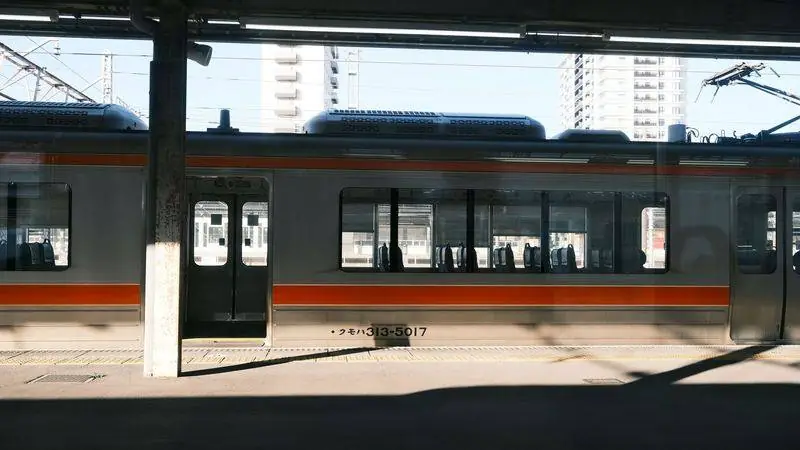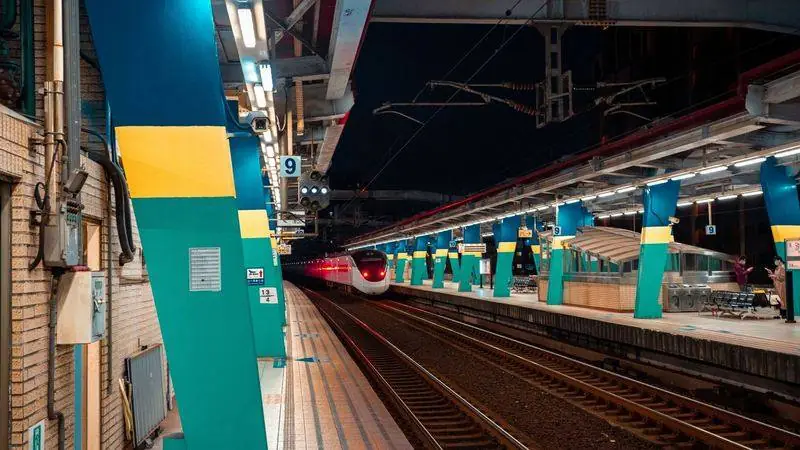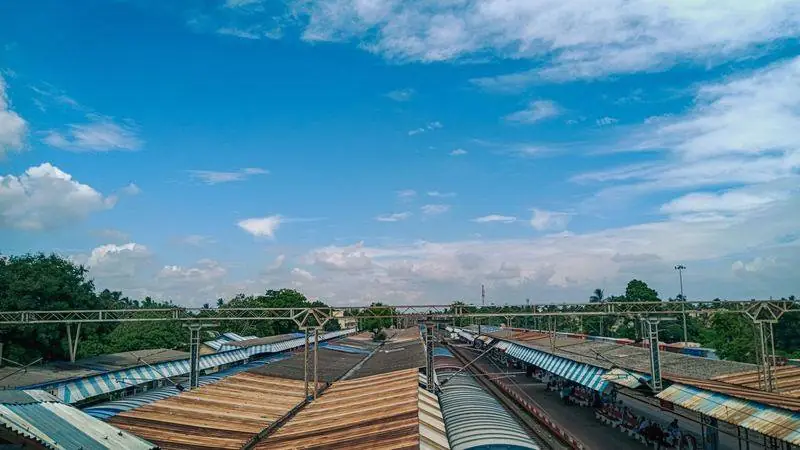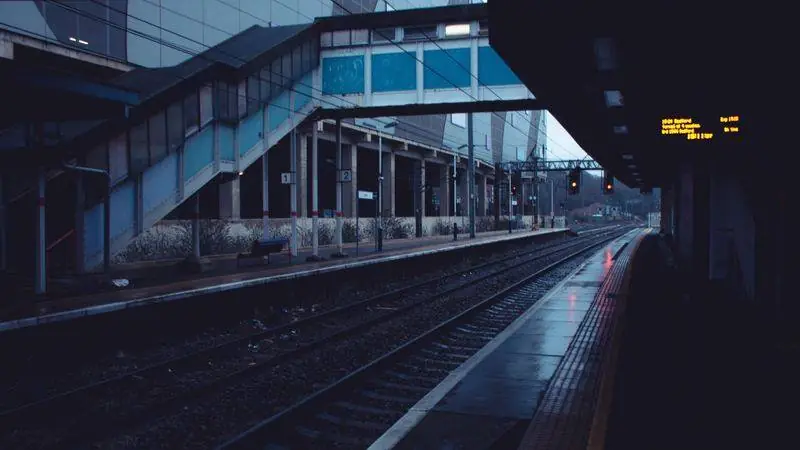


The GO train schedule is built around commuting into Union Station, so gaps appear at the edges: some lines, such as Milton, run only at weekday rush hours, and late trains can miss the last local bus. Check gotransit.com for your line and date. Where the schedule stops, TorontoBlackLimousine.com covers the last mile with a pre-booked car that tracks your train and waits 15 minutes after arrival.
Most trips on GO Transit run smoothly, and for a commuter going to Union and back the GO train schedule is usually all you need. The trouble starts at the edges: a meeting that runs late, a flight at dawn, a hospital appointment, an evening event, a line that does not run at the hour you need. Our Oakville station car service page shows how we work at one of the busiest stations on the network. This post is about the gaps themselves and how to plan around them.
How does the GO train schedule work, and where are the gaps?
GO Transit publishes a schedule for each line, with a trip planner and printable timetables on its schedules page. The network was built around getting people into Union Station in the morning and home in the evening, and that shape still shows. The Lakeshore West and Lakeshore East lines carry the fullest all-day service. Other lines have thinner off-peak and weekend service, and some trips are replaced by GO buses.
The clearest example is the Milton line: its trains run on weekdays at rush hour only, toward Union in the morning and back toward Milton in the afternoon, with no weekend train service. Metrolinx added extra Milton rush-hour trips in April 2026, but the pattern is unchanged. If you live in Milton or Meadowvale and your plans fall outside those hours, the train is not an option without a connection.
Schedules change several times a year. Always check the timetable for your exact date.
What are the most common last-mile problems?
From the dispatch desk, these are the situations that generate GO-related bookings:
- The last connecting bus has gone. A late train reaches a suburban station after the local bus has stopped for the night.
- The parking lot was full. You got a lift to the station, and nobody can collect you on the way back.
- Rush-hour-only lines. A Milton-line commuter needs to get home at 2 p.m. or on a Saturday.
- Early flights. The first train of the day reaches Union too late for a 7 a.m. departure from Pearson.
- Luggage and children. The train is fine; the walk from the station to home with a suitcase and a toddler is not.
- Service disruptions. A signal problem cancels trains and the platform fills up.
How does a pre-booked car cover the last mile?
You book a station pickup and give us the train: the line, the station and the scheduled arrival. Dispatch follows the train's live status, so if it runs 20 minutes late the chauffeur is 20 minutes later too. Station pickups include 15 minutes of waiting from actual arrival, then 15-minute blocks, and you are messaged before any extra time starts. About 15 minutes before arrival, the chauffeur texts the car's colour, plate and exact spot.
The car then takes you the last few kilometres home, or further: Pearson, a hospital, a hotel, or another town that GO does not reach at that hour.

When is the first or last train a problem for flights?
Early departures from Pearson are the classic case. If your flight leaves at 7 a.m., you want to be at the terminal around 4:30 to 5 a.m. for an international trip, and the early trains from the suburbs do not line up with that. The UP Express runs from Union to Terminal 1 in about 28 minutes, but you still have to reach Union first. Our post on the UP Express schedule for early flights runs those timings in detail.
For many suburban travellers the simpler answer is a car straight to Pearson. From Oakville station it is about 30 km and 25 to 40 minutes; from downtown Toronto about 27 km and 25 to 45 minutes.
What does a late night after an event look like?
Here is a common Friday: a couple from Burlington takes the Lakeshore West train to Union for a concert, planning to catch a late train home.
- 11:05 p.m.: the show ends late. The planned train is now tight.
- 11:20 p.m.: they miss it; the next one gets them to Burlington station well after midnight.
- Option A: wait, ride home, then find a taxi at the station.
- Option B, booked in advance: a car that was already arranged for 11:30 p.m. waits near the venue and drives them home, about 55 km and 40 to 55 minutes at that hour.
For evenings with an uncertain finish, our hourly chauffeur service keeps one car for a 3-hour minimum, extended in 30-minute blocks, so an encore does not cost you the ride home.
Which situations suit GO alone, GO plus a car, or a car the whole way?
| Situation | GO alone | GO plus a car for the last mile | Car door to door |
|---|---|---|---|
| Weekday commute to Union | Best | Rarely needed | Rarely needed |
| Late train after the last local bus | Stranded at the station | Best | Good |
| Milton-line trip outside rush hour | No train service | Car to a Lakeshore station | Best |
| Early international flight from Pearson | First trains often too late | Possible via Union and UP Express | Best |
| Family with luggage and car seats | Hard work | Good for the station leg | Best |
| Evening event with an uncertain finish | Risky on the last train | Good | Hourly chauffeur |
Is a GO station pickup better than a taxi at the station?
At busy downtown stations you will usually find a taxi or a ride-hail. At suburban stations late at night, there may be nothing waiting, and requesting a ride after you arrive means standing on a cold platform while one is found. A pre-booked car is there before you are, the fare is fixed in advance, and nobody has to drive out at midnight to collect you. The reservation engine shows the fixed fare before you confirm, covering the chauffeur, vehicle, fuel and gratuity, with HST shown separately.
How can visitors combine GO with a chauffeur?
Visitors staying in a suburban hotel often use GO for a day downtown, then find the schedule does not fit the rest of the trip. A practical pattern: the GO train into Union in the morning, sightseeing on foot, and a car back to the hotel in the evening with the shopping. Another: a car from the hotel to a winery or golf course where no train goes, and GO back into the city the next day. For a full day of mixed plans, an hourly booking is often simpler than juggling timetables; the car follows your day instead of you following the train. Our private chauffeur page explains full-day bookings.
What about service disruptions?
They happen on every rail network. When a signal problem or an incident cancels trains, the fastest information comes from GO's own alerts on gotransit.com. If you have a pickup booked, message dispatch with your new plan: we can move the pickup to a later train, or send the car to a different station. If you have no booking and you are stuck at Union, a car from the station is often the quickest way home; our post on car service from Union Station explains how we find you in the crowd.
How do people plan medical appointments around GO?
Carefully. A hospital appointment downtown is easy by GO in the morning, but procedures run late, and a patient may not be fit to walk to Union and stand on a platform afterwards. Many families book the train in and a car home, or a car both ways. Our medical appointments page explains how we handle those trips, including waiting while the appointment runs over.
Which vehicle should I book for a station pickup?
Most last-mile trips are one or two people, so a business sedan is the usual choice. Families with bags take an SUV. Groups returning from an event together, such as an office outing, fit an executive Sprinter. Child seats are available at booking.
How do GO station parking problems fit in?
At many stations the lot fills early on weekdays, which pushes commuters to get a lift or arrive very early. That is a separate problem from the schedule, but the solution is similar: a drop-off in the morning and a pickup at night. Our post on Oakville GO station parking alternatives looks at it in detail, and the Guildwood GO station pickups post covers the east end.
What changes on GO trips in winter?
Snow and ice slow everything, and the last mile is where winter bites hardest. Platforms and station lots can be icy, buses run behind, and a ten-minute walk home becomes a slog with a suitcase. Trains themselves may run late in heavy snow, which is exactly when a tracked pickup earns its keep. Our cars run winter tires from November to April, and chauffeurs check Ontario 511 before leaving for the station. On a stormy evening, book the pickup a little earlier in the day; drivers are busiest when the weather turns.
What mistakes do people make with GO schedules?
- Using an old timetable. Check the schedule for your exact date.
- Assuming every line runs all day. Milton does not, and others are thinner off-peak.
- Not checking the last connecting bus, only the last train.
- Booking a pickup by time instead of by train. Give the line and scheduled arrival so we can track it.
- Planning the last train after an event with no margin for a late finish.
How do I book a GO station pickup?
- Open the booking page or the booking form on any page.
- Enter the station as the pickup, and add the line and scheduled arrival in the notes.
- Enter the destination and choose the vehicle.
- Confirm the fixed fare.
Cancellation runs from the scheduled pickup: free more than 72 hours before, 10 % at 72 hours or less, 50 % at 48 hours or less, and 100 % at 24 hours or less or on a no-show. Moving the pickup to a later train is a change, not a cancellation. If the trip continues by air or includes a hotel night, our travel desk can book those too.